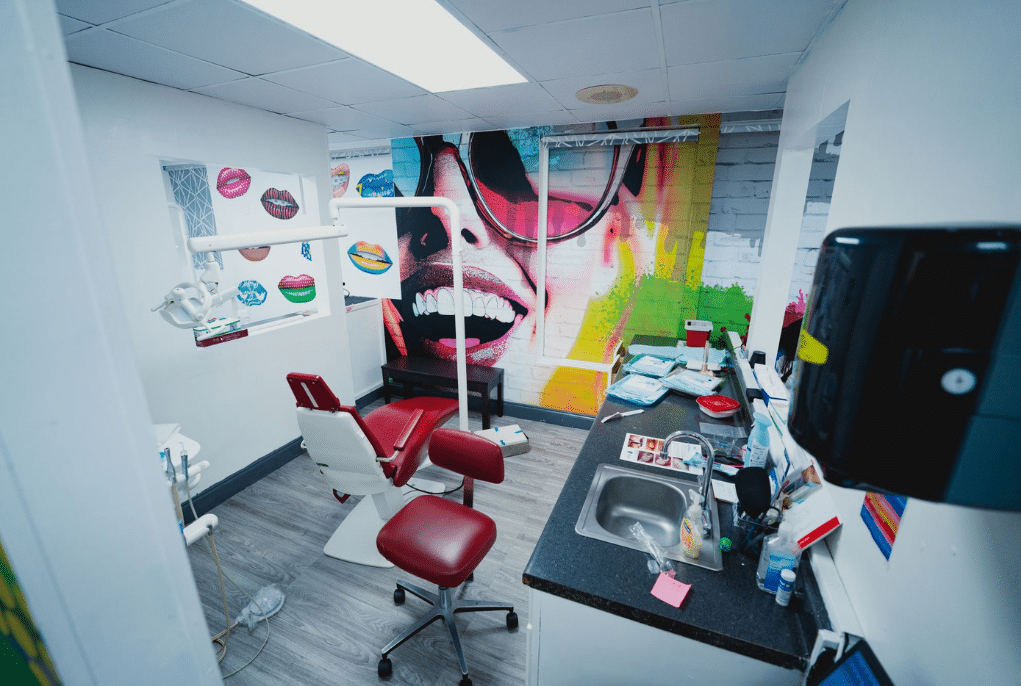
Dental anxiety is one of the most common reasons patients delay or avoid essential oral care. Whether triggered by sensory overload, a hyperactive gag reflex, low pain tolerance, or memories of a difficult past appointment, avoiding the dental chair often turns minor, treatable issues into complex oral infections. Modern sedation dentistry bridges this gap, allowing adults, teens, and young children to receive restorative and preventive care in total comfort and safety.
Our board-certified pediatric specialists and dental team across Plantation, Pembroke Pines, and Margate have compiled this clinical guide to help you evaluate whether sedation dentistry is the right solution for you or your child.
What Is Sedation Dentistry?
Sedation dentistry utilizes carefully monitored pharmacologic agents to induce a calm, relaxed state during dental procedures. It is essential to distinguish between conscious sedation and general anesthesia:
- Conscious Sedation: The patient remains conscious, breathes independently, retains natural protective airway reflexes, and can respond to verbal commands and gentle physical touch. Anxiety, muscle tension, and perception of time are drastically reduced.
- Deep Sedation & General Anesthesia: The patient is completely unconscious, requiring specialized airway management and advanced vital monitoring typically reserved for hospital operatory settings or complex maxillofacial surgeries.
The Primary Levels of Conscious Sedation We Offer
1. Inhaled Minimal Sedation: Nitrous Oxide (“Laughing Gas”)
Nitrous oxide is the most common and versatile sedative in pediatric and family dentistry:
- How it works: Delivered through a soft, scented nasal hood, a blend of nitrous oxide and pure oxygen takes effect within 3 to 5 minutes, producing a mild tingling sensation, gentle warmth, and a feeling of calm euphoria.
- Rapid Recovery: Because nitrous oxide is eliminated entirely through the lungs rather than metabolized by the liver or kidneys, administering 100% pure oxygen for 5 minutes at the end of the appointment completely flushes the gas from the patient’s system. Adult patients can drive themselves home, and children can return to school or normal routines immediately.
- Clinical Indications: Ideal for mild to moderate dental anxiety, cooperative children needing quick restorations or cleanings, and patients who need help managing a sensitive gag reflex.
2. Oral Conscious Sedation
For moderate apprehension or longer multidisciplinary appointments, oral conscious sedation offers deeper physiological relaxation:
- How it works: The patient takes a prescribed liquid or pill sedative (often from the benzodiazepine class or hydroxyzine) approximately 30 to 45 minutes before treatment begins under clinical supervision.
- The Experience: While the patient remains conscious and able to respond to questions, they feel deeply drowsy, relaxed, and unbothered by surroundings. Anterograde amnesia is a common and beneficial side effect—most patients remember very little to nothing about the actual procedure once the medication clears.
- Safety & Recovery: Patients must have an adult companion drive them to and from the appointment and monitor them at home for the rest of the day as the medication wears off.
3. IV (Intravenous) Sedation
Administered directly into the bloodstream by a licensed dental anesthesiologist, IV sedation provides rapid, titratable, and deep conscious relaxation. It is primarily indicated for extreme odontophobia, severe cognitive or sensory sensitivities, and complex surgical procedures like impacted wisdom tooth extractions.
Who Is an Ideal Candidate for Sedation Dentistry?
Sedation dentistry is not limited to severe phobias. It provides profound clinical benefits across a wide range of patient needs:
- Severe Dental Anxiety & Phobia: Adults and children who experience rapid heart rate, panic, or avoidance at the thought of dental care. Learning how to handle your child’s fear of the dentist often pairs directly with mild nitrous oxide to establish stress-free early visits.
- Extensive Restorative Treatment Plans: Patients who require multiple fillings, crowns, or pulpotomies in different quadrants can complete all work in a single, comfortable visit rather than multiple stressful appointments.
- Severe Gag Reflex: Patients whose pharyngeal reflexes make intraoral scans, dental impressions, or posterior tooth work challenging.
- Special Healthcare Needs: Children and adults with sensory processing disorders, autism spectrum disorder, or motor-control difficulties who benefit from a calm, controlled environment. Understanding how a children’s dentist is different from a regular dental professional ensures these specialized behavioral and pharmacological techniques are delivered safely.
- Acute Dental Trauma: When sudden fractures or injuries require urgent care, sedation helps stabilize pain and fear quickly—read our clinical triage steps on how to treat your child’s dental emergency.
Sedation Modality Comparison
| Feature | Nitrous Oxide (“Laughing Gas”) | Oral Conscious Sedation | IV Moderate Sedation |
|---|---|---|---|
| Level of Sedation | Mild (relaxed, fully awake) | Moderate (drowsy, relaxed) | Moderate to deep |
| Method of Delivery | Inhaled via nasal mask | Swallowed liquid or pill | Direct intravenous line |
| Onset of Action | 3 to 5 minutes | 30 to 45 minutes | Under 1 minute |
| Recovery Time | Immediate (5 min oxygen flush) | 2 to 6 hours | Several hours |
| Escort Required? | No (adults drive themselves) | Yes (required) | Yes (required) |
Frequently Asked Questions About Sedation Dentistry
Is sedation dentistry safe for young children?
Yes. When administered by board-certified pediatric dental specialists adhering to American Academy of Pediatric Dentistry (AAPD) and American Dental Association (ADA) guidelines, conscious sedation has an outstanding safety record. We review medical history, airway anatomy, and monitor pulse oximetry, heart rate, and respiration continuously throughout the procedure.
Will I feel any pain during the procedure?
No. Sedatives relax the central nervous system, while local anesthetics numb the specific teeth and surrounding gingival tissues. Because the sedative eliminates muscle tension and raises the pain threshold, local numbing injections are administered comfortably and virtually unnoticed.
Can preventive procedures reduce the need for future sedated dental work?
Absolutely. Most sedation visits are necessitated by deep decay requiring extensive restorations or extractions. Establishing early preventive habits using our cavity prevention guide and placing protective dental sealants keeps enamel intact and avoids restorative procedures altogether. Maintaining healthy gum tissue by knowing how to tell if your child is suffering from gum disease prevents advanced periodontal treatments.
Can anxious patients undergoing orthodontic care use sedation?
Orthodontic adjustments, bracket placement, and 3D digital impressions are gentle, non-invasive procedures that do not involve drills or injections, so sedation is rarely needed. For patients concerned about hardware, removable options like Invisalign clear aligners provide a comfortable alternative to traditional braces. For young patients, scheduling a baseline check by the recommended age of seven ensures growth is monitored without discomfort.
Experience Comfortable, Stress-Free Care in Broward County
Dental visits should never be a source of fear or dread. At Jacaranda Smiles, our pediatric dentists and orthodontic specialists provide gentle, personalized care in a compassionate environment designed for nervous patients of all ages across Plantation, East Pembroke Pines, West Pembroke Pines, and Margate.
Let us help you or your child enjoy a relaxed, worry-free dental experience. Call our team today at (954) 866-1995 or schedule a consultation online.