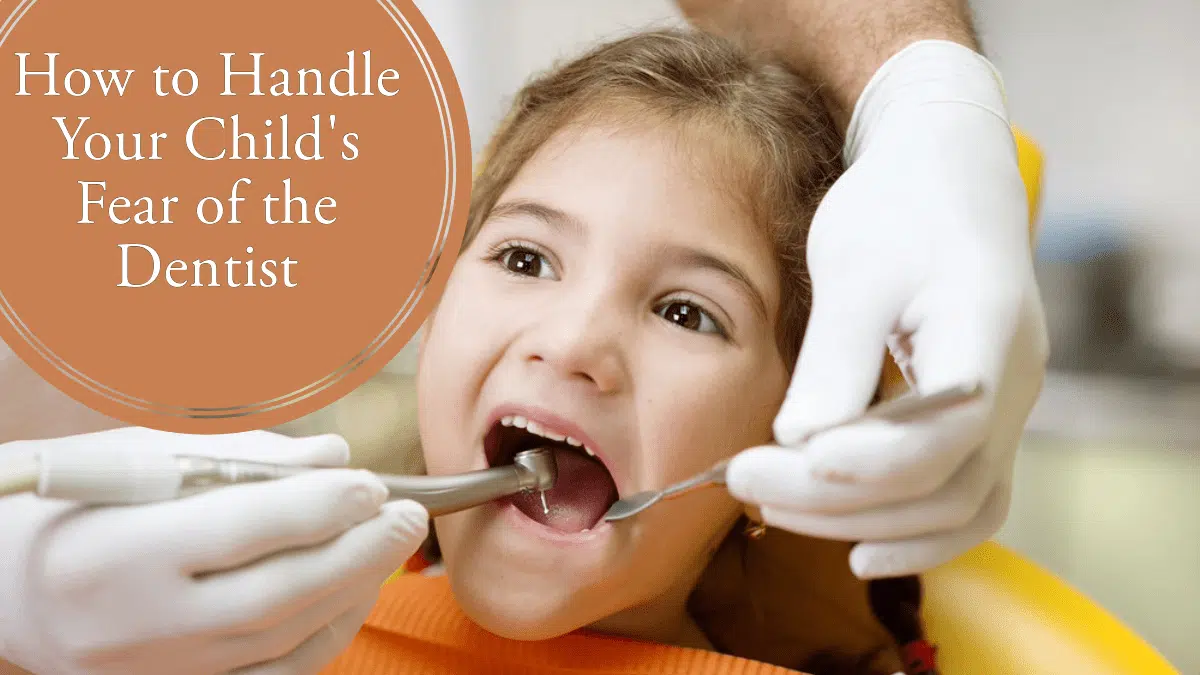
Hearing your child say, “I don’t want to go to the dentist,” is an experience almost every parent faces. Whether it is fear of the unknown, sensory overload from unfamiliar sounds and bright examination lights, or apprehension about discomfort, childhood dental anxiety (odontophobia) is common. However, avoiding routine visits can lead to undetected decay, chronic infections, and preventable emergencies. According to the Centers for Disease Control and Prevention (CDC), untreated cavities affect over 13% of children aged 5 to 19, making early and consistent dental visits a cornerstone of long-term health.
At Jacaranda Smiles, our pediatric dental team serves families across Plantation, Pembroke Pines, and Margate with evidence-based behavioral techniques designed to replace fear with confidence. Here is a clinical, practical guide on how to handle your child’s fear of the dentist and build a trusting foundation for life.
The Psychology of Pediatric Dental Anxiety: Why Kids Fear the Chair
Children process clinical environments very differently from adults. Understanding the root causes of their apprehension helps parents respond with empathy rather than frustration:
- Sensory Sensitivity & Overstimulation: The dental operatory is full of unique sensory stimuli—the high-pitched whine of handpieces, cold air water syringes, clinical smells, and bright overhead lights. For sensory-sensitive children, this combination can trigger an immediate fight-or-flight response.
- Loss of Control & Personal Space: Lying supine in a dental chair with someone working inside their mouth requires enormous vulnerability. Young children who feel physically constrained or unable to communicate will often react with tears or defiance.
- Fear of the Unknown: Young imaginations fill in informational gaps with worst-case scenarios, especially if they have overheard older siblings or classmates share exaggerated stories about “shots” or “drilling.”
- Parental Anxiety Transfer: Children are perceptive emotional mirrors. If a parent harbors dental anxiety or expresses tension during the drive to an appointment, children pick up on those nonverbal cues and internalize the fear.
Clinical Behavioral Guidance Techniques Used by Pediatric Dentists
A board-certified pediatric dentist completes two to three years of specialized residency training beyond general dental school, focusing extensively on child psychology, growth, and behavioral guidance. Understanding how a children’s dentist is different from a regular dental professional is key to choosing an environment built for nervous kids. Some of the clinical techniques we use every day include:
1. Tell-Show-Do Method
This is the gold standard of pediatric dentistry. First, we explain what we are about to do using child-friendly analogies (Tell: “We’re going to count your teeth with our tooth counter”). Next, we demonstrate the tool on their fingernail or a stuffed animal so they can feel the vibration or water spray safely (Show). Finally, we perform the exact procedure on their teeth without surprises (Do).
2. Positive Reinforcement & Reframed Vocabulary
We avoid anxiety-inducing clinical terms. Words like “needle,” “shot,” “drill,” or “hurt” are replaced with neutral, playful concepts like “sleepy juice,” “tooth polisher,” and “water whistle.” Rewarding small cooperation milestones with genuine praise and tokens keeps appointments uplifting.
3. Non-Verbal Communication & Distraction
From ceiling-mounted monitors playing their favorite animated movies to gentle eye contact and soothing voice modulation, distraction helps keep a child’s attention off instruments and focused on comfortable stimulation.
4. Gentle Sedation Options for High Anxiety
For children with severe phobias, extensive restorative needs, or special healthcare requirements, pediatric dental sedation provides a safe, calming alternative. Options such as inhaled nitrous oxide (“laughing gas”) keep your child relaxed, awake, and giggly throughout treatment. Learn more about safety and protocols to see if sedation dentistry is right for your child.
At-Home Preparation Strategies for Parents
Role-Play the Appointment
A few days before the visit, play “dentist office” at home. Have your child recline on the sofa while you count their teeth with the soft bristles of a toothbrush and a pocket flashlight. Then swap roles and let your child examine a favorite doll or stuffed animal. Familiarity eliminates fear of the unfamiliar.
Watch What You Say
Avoid well-intentioned promises like, “Don’t worry, it won’t hurt!” or “They aren’t going to give you a shot.” The subconscious mind focuses on the words “hurt” and “shot,” signaling to the child that pain was a real possibility. Instead, say: “The dentist is going to count your teeth and help keep your smile strong and shiny.”
Establish the Dental Home Early
Both the American Academy of Pediatric Dentistry (AAPD) and the American Dental Association (ADA) recommend scheduling your child’s first visit by their first birthday or when their first tooth emerges. Starting early normalizes dental visits before any invasive work is needed, building a secure, stress-free foundation. Pairing early cleanings with proactive measures—such as reviewing our cavity prevention guide and exploring whether dental sealants could improve your child’s oral health—prevents painful decay that causes dental trauma in the first place.
Frequently Asked Questions About Child Dental Anxiety
What should I do if my child has a complete meltdown in the dental chair?
Stay calm and avoid scolding or negotiating with treats in the moment. Pediatric dental teams manage tears and tantrums daily. Allow our clinical staff to take the lead using de-escalation techniques. If a child is too distressed, we will never force treatment; we can break the procedure into shorter, gradual visits or discuss mild nitrous oxide sedation.
Should I stay in the treatment room with my child or wait outside?
For toddlers and younger children, having a parent chairside provides comfort and security. However, for older children (ages 5 and up), many kids actually cooperate better when interacting one-on-one with the pediatric dental staff, as it prevents divided attention and dramatic behavior. We discuss parental presence openly and tailor the decision to your child’s personality.
Can untreated dental anxiety lead to health problems later?
Yes. Chronic dental avoidance leads to advanced caries, periodontal infection, and painful emergencies. Knowing early warning signs—such as how to tell if your child is suffering from gum disease—ensures minimal interventions before costly, traumatic restorations are needed. If an urgent issue develops at home, consult our guide on how to treat your child’s dental emergency.
At what point should we schedule an orthodontic checkup for an anxious child?
The American Association of Orthodontists recommends a baseline evaluation by age seven. Early assessments are non-invasive visual checks that do not involve drills or discomfort, making them an easy milestone for nervous kids. Learn more about timing in our guide to the best age to start orthodontics.
Compassionate Pediatric Dentistry in Broward County
Every child deserves dental care delivered with patience, gentle hands, and a warm smile. At Jacaranda Smiles, our specialized pediatric dentists and orthodontists create an inviting environment across Plantation, East Pembroke Pines, West Pembroke Pines, and Margate.
Ready to help your child enjoy a stress-free dental experience? Call our caring team today at (954) 866-1995 or schedule an appointment online.