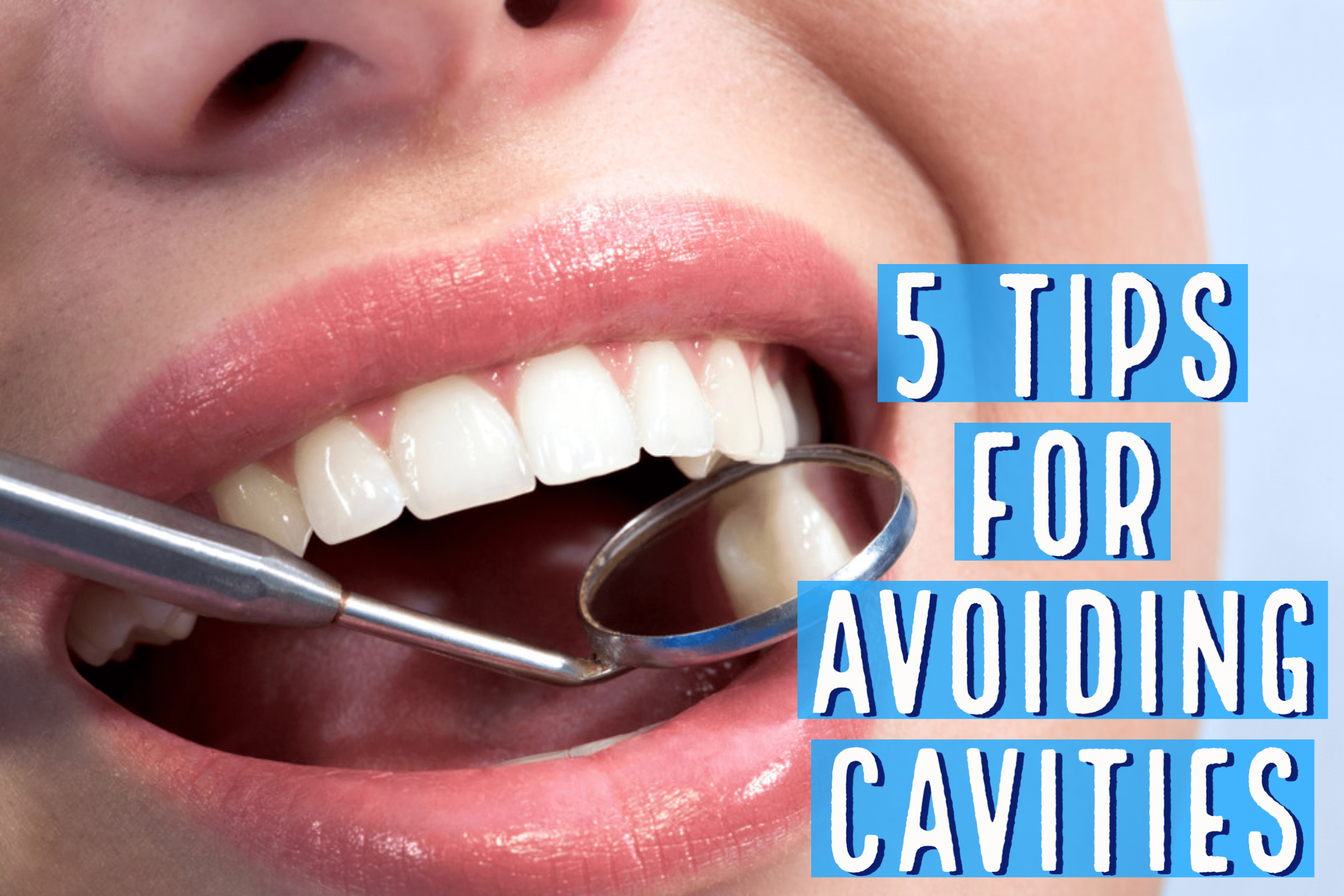
It’s no secret that cavities are a major problem in the United States. According to the Centers for Disease Control and Prevention, more than 40% of children have dental cavities by the age of five. Here are our top five tips for avoiding cavities.
1. Brushing
You should brush your teeth at least twice a day, and orthodontic patients may need to brush more often to avoid cavities and gum disease. Be sure to use a soft-bristled toothbrush and orthodontic toothpaste, as these products are designed specifically for people with braces. If you have any questions about caring for your teeth while you’re undergoing orthodontic treatment, be sure to seek orthodontic services from a qualified orthodontist.
2. Flossing
Flossing is just as important as brushing and should be done at least once daily. If you’re not flossing regularly, orthodontic treatments can help make the process easier. Some patients may need to use an interdental brush or water flosser in addition to traditional floss to clean their teeth properly. If you’re not sure how to floss with braces, your orthodontist will be more than happy to give you a demonstration at your next appointment.
3. Eating Healthy
A healthy diet is essential for maintaining good oral health. Sugary and acidic foods can break down tooth enamel, so limiting your intake of these foods is necessary. If you eat sugary or acidic foods, make sure to brush your teeth soon afterward. Orthodontic patients should also be careful with hard and sticky foods as they can damage braces.
4. Avoiding Tobacco
Tobacco use is one of the leading causes of gum disease. If you smoke or use chewing tobacco, it’s important to quit as soon as possible. Orthodontic patients who smoke are at a higher risk for developing periodontal disease and may need to be seen more frequently for checkups and cleanings.
5. Wearing a Mouthguard
Mouthguards are essential for protecting your teeth from injury, especially if you play sports. Orthodontic patients should wear a mouthguard when playing any sport to protect their braces from damage. Your orthodontist can help you find the right mouthguard for your needs.
If you follow our tips for avoiding cavities, you’ll be on your way to having a healthy, beautiful smile that will last a lifetime. Orthodontic services can give you a perfect smile to show off to the world. To learn more about avoiding cavities, orthodontic services, or to schedule an appointment, contact us today.
Are You Aware How to Prevent Cavities And Caries?
Caries and cavities are common problems which are affecting many because of a breakdown of their teeth by acids created by bacteria. The cavities may resemble many different colors including yellow and black. They may cause pain and difficulty in having food leaving you with no options but to contact a dentist for a remedy.
Symptoms You May Experience With This Condition
The symptoms of cavities can vary depending on their extent and location. You may not suffer from any symptoms when a cavity is just making its presence felt. As the decay begins to enlarge the following symptoms and signs will come evidently to you:
- Toothache with spontaneous pain or pain occurring without any causes.
- Tooth sensitivity.
- Mild to sharp pain when eating or drinking sweet, hot, and cold foods.
- Visible pits in your teeth.
- Pain when you bite down.
- Black, white, or brown staining on the surface of any tooth in the mouth.
Contacting A Dentist
It will be difficult for you to prevent cavities or caries because you are unlikely even to know they are forming. It is therefore important for you to visit your dentist regularly for cleanings and checkups even when you are not encountering any problems. Your dentist will be able to determine whether you are developing cavities by looking at your mouth during the cleaning process.
Tooth decay and cavities are among the most common problems in the world. They are particularly common among youngsters and even older adults. However, cavities can develop in any individual with teeth including infants. When cavities are left untreated they can get larger and affect deeper layers of the teeth leading to severe toothache, infection and tooth loss. This is the primary reason why you should be contacting your dentist for professional cleaning regularly to ensure you can prevent cavities from developing.
The Causes For Cavity Formation
Cavities begin to develop over time and are caused by tooth decay. The tooth decay begins to manifest with the formation of plaque which is a clear sticky film which coats the teeth. This is simply a problem of not maintaining proper oral hygiene and having plenty of sugars and starches. When the sugars and starches are not cleaned properly from the surface of the teeth plaque begins to form and harden above or below the gum line to form tartar.
The acids in the plaque remove the enamel from the hard surface of the tooth causing tiny holes or openings to appear in the enamel. This is the first stage of the formation and after the enamel is worn away the bacteria and acids reach the next layer known as dentin. As this layer is softer and less resistant to the acids that tiny tubes in dentin communicate with the nerve of the tooth causing the sensitivity.
As tooth decay continues to develop the bacteria and acid march through the teeth moving to the inner pulp containing the blood vessels and the nerves. It becomes swollen and irritated because of the bacteria. As there is little space for the swelling to expand inside the tooth the pain increases when the nerve becomes pressed. The discomfort can extend beyond the tooth root to the bone.
Can Cavities Be Prevented Entirely?
Cavities can develop in every individual who has teeth including people who could be wearing lingual braces. However, people who already have cavities in their mouth can easily prevent them from developing further by following the most basic tips of oral hygiene provided by the dentist. If cared for properly they will not be required to undergo dental procedures which may require sedation dentistry.
People must understand they can prevent cavities with good oral and dental hygiene by discussing some tips with their dentist. Better still, they can ask their dentist about the tips which suit them best. They may be recommended the following by their dentist:
- Brushing teeth with fluoride toothpaste after eating and drinking.
- Rinsing their mouth with a mouth rinse containing fluoride.
- Having regular dental checkups for professional cleanings.
- Considering dental sealants which are protective plastic coatings applied to the surface of the back teeth.
- Avoiding frequent snacking and sipping while having foods healthy for the teeth.
- Considering fluoride treatments if they are not getting sufficient fluoride through fluoridated drinking water.
People who are specifically vulnerable to tooth decay because of medical conditions may be recommended antibacterial mouth rinses or other treatments to help reduce harmful bacteria in the mouth.
The tips mentioned above along with regular visits to the dentist’s office for professional cleanings can assist in preventing cavities and caries in the mouth. People must, however, understand they are also required to maintain proper oral hygiene without exceptions if they intend to remain free from this problem.
The Best Time To Fix A Cavity Is Before It Starts
If you’ve never been a parent before, it’s probably been a long time since you’ve thought about trying to find a health professional. Certainly, you’ve never thought about the trials and tribulations of having to locate a dentist for children. But once you become a parent, these things come to the forefront of your mind and may overwhelm you.
Instead of being overwhelmed in your search to find the perfect kids dentist for your children, just take it step by step. You’ll eventually get there and meet your goals of providing quality dental care to your little ones.
In this short article, we’ll go over some helpful tips about finding a dentist for children and how to make it a breeze. From health tips to initial greetings, we’ll go over a broad spectrum of how to find the perfect children’s dentist for your family and alleviate your dental concerns.
Make Check Ups A Breeze
When you’re browsing online or asking around town about a quality dentist for children, it can be helpful to inquire about the dentist’s character. Pediatric dentists that genuinely try and make a child’s experience as painless and pleasant as possible tend to develop a reputation as a person to see. Check online reviews and ask family and friends so that you’ll feel good about your child’s experience before you even walk through the doors.
Inquire About Braces And Corrective Dentistry
Many kids will also need orthodontic treatment eventually. Ask your dentist whether they have an orthodontist on staff or if they recommend a particular orthodontist. At Jacaranda Smiles Kids Dentistry & Orthodontics, our team is happy to offer both pediatric dental and orthodontic services under the same roof. While you may think that you can only utilize braces to get straight teeth, there have been many technological improvements in orthodontics recently. Your child may not have to endure the same treatments that you did as a child, and in fact, may have access to seamless and transparent braces technology that you barely notice.
Establish Good Brushing Habits
One of the most important things you can do as a parent is to establish good tooth brushing habits in your children early. Your dentist can help establish this by reminding your child every time they attend a dental visit and giving positive reinforcement. Small items such as toothbrushes, toys, and “healthy candy” (such as raisins) can go a long way in getting your child to remember to brush correctly with fluoride toothpaste.
It’s important to get your child to brush teeth on their own, and perhaps also take up a flossing habit, so that you don’t have to make extra trips to the dentist to get cavities filled. Getting a cavity filled is an unpleasant experience even for an adult, so avoiding it in your children should be a top priority. Not only do cavities hurt, but they can also have health effects down the road if they are not fixed promptly.
Unfortunately, more than 40% of children have dental cavities by the time they reach kindergarten. This is not only a distressing thing to have to deal with logistically for parents, but a source of stress for the child as well. Many adults do not like having to deal with the strange sounds and sensations of the dentist, and it’s simply easier to prevent your child from having to go through this in the first place.
At Jacaranda Smiles Kids Dentistry & Orthodontics, we help parents establish good oral hygiene habits with their kids early on and pride ourselves in preventative dental care for children. Contact us today to book your child’s appointment!
What are the Most Common Reasons for Cavities in Children?
Cavities aren’t fun to have for anyone, especially for little ones. Your local childrens dentist will likely tell you how common cavities are in kids of all ages. According to The Center for Pediatric Dentistry, over 40% of kids have them by the time they reach kindergarten. Why does tooth decay happen so young? Read on to find out more.
Falling Asleep With a Bottle
It’s common for a baby to whisk off to sleep while nursing or sucking on a bottle. However, parents should be aware of what’s in those bottles. Many baby formulas have some sugar in them. So, if the child falls asleep with sugary formula in their mouth, it can jumpstart the decay process.
Consuming Too Many Sugary Foods
Most children love sweet foods. From candy bars to sweet cereals, the little ones can’t get enough. Plus, many American foods have hidden sugar or salt where you least expect it. Even healthy foods like fruit have sugar. When any type of sugar sits on the teeth, it’ll do damage by wearing down the enamel and causing decay.
Not Going to the Dentist Early Enough
Did you know when to take your baby to your local childrens dentist? According to the American Dental Association, your child should make their first dental visit by the time their first tooth sprouts. Thanks to X-rays and visual exams, your dental specialist can spot issues in baby teeth early. They can apply a sealant to prevent further decay. However, without those early visits, cavities can easily set in and get worse.
Poor Oral Hygiene
As a parent, you may have to emphasize the importance of good oral hygiene in your child for a while until it becomes second nature to them. According to Healthline, dentists recommend brushing and flossing twice daily, even for kids. Lead by example and practice good dental habits as well. A love of sugary foods and poor brushing habits are a breeding ground for decay.
Your local childrens dentist doesn’t want to see babies and kids with rotten teeth that’ll give them problems as they grow older. Avoid expensive tooth restoration or loss with early intervention. Help your child have a healthy and gorgeous smile by making regular dental appointments, at least twice a year. As your neighborhood dentist, our office is here to help. Call us for an appointment today.
Related reading: how dental sealants protect kids’ teeth, healthy snacks for your child’s smile, and why every child should see a dentist by age one.